Salubria

         The roots of a family tree begin with the love of two hearts.


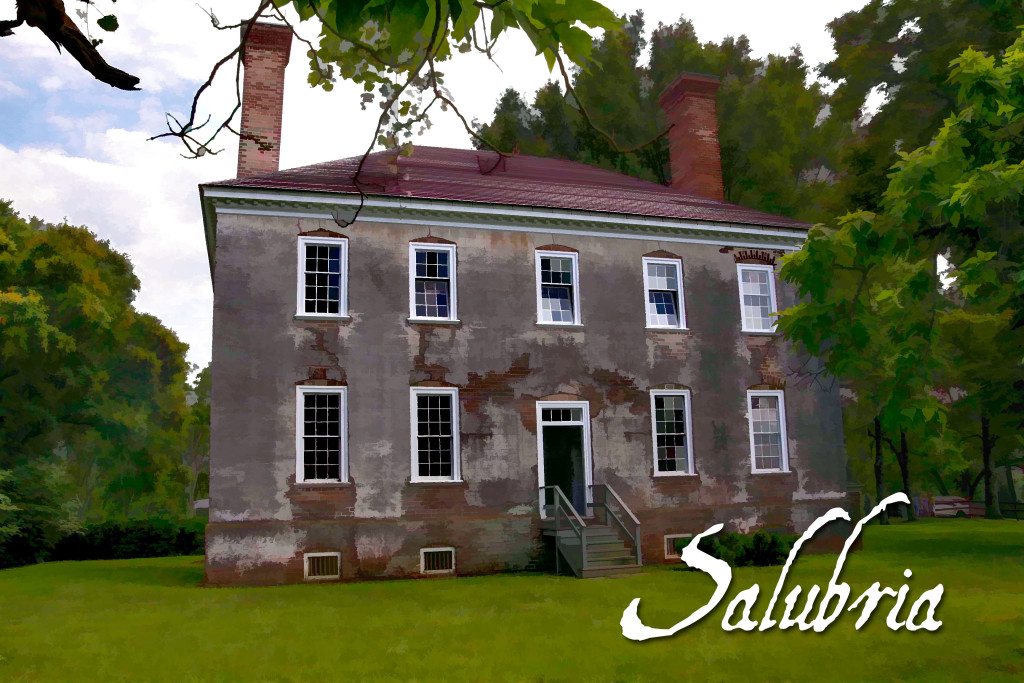
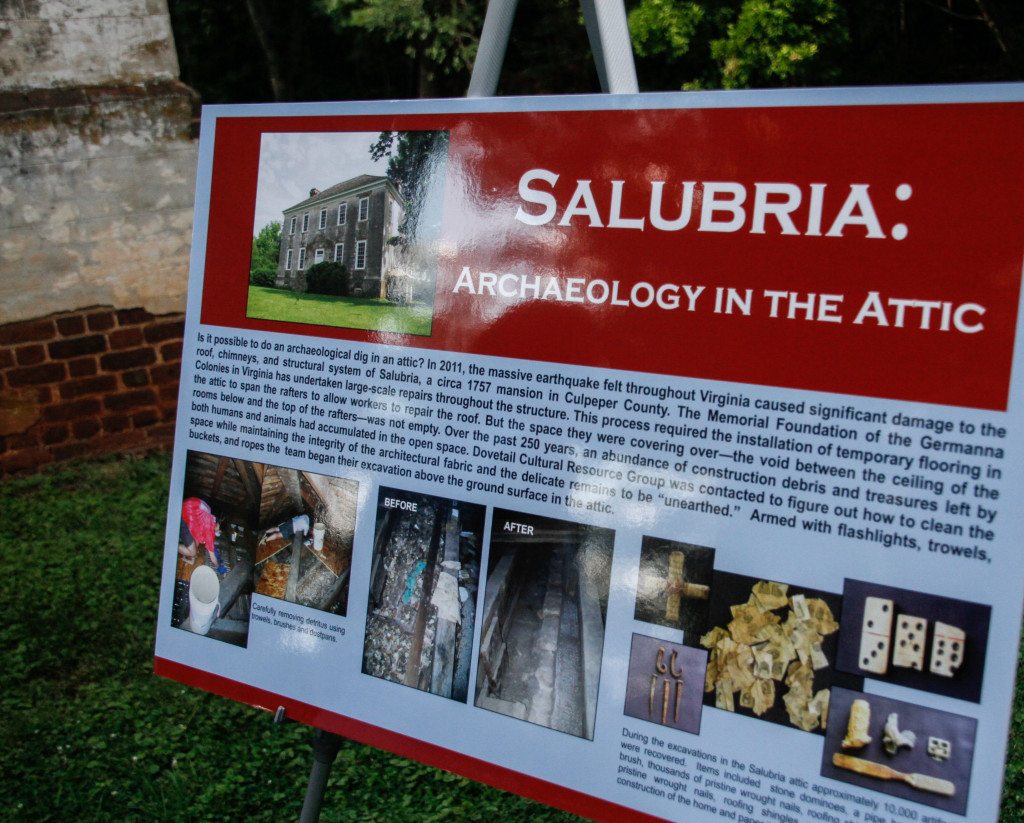
 Salubria is the name of the 18th century manor house built by Reverend John Thompson, the rector of the Little Fork Church from 1740 to 1772.  To read about the exciting preservation and research work being done at Salubria, click here.

The building remains as a testament of his love for the woman he sought to be his wife. The story of their union is romantic and endows Salubria with no small amount of rich historical texture.  The story goes like this.  At his death in 1740, colonial Virginia’s Governor Alexander Spotswood left a widow named Butler Brayne Spotswood.


Reverend Thompson of the Little Fork Church longed to make this widow his wife and he was crushed when she first rebuffed his advances.

The widow Spotswood's family opposed the proffered marriage on the grounds that a clergyman was beneath the station of Lady Spotswood.  Undaunted, Reverend Thompson appealed directly to Lady Spotswood imploring her with these words:

“Now, if I can make it appear that the ministerial office is an employment, in its nature most honorable and in its effects most beneficial to mankind, I hope your objections will immediately vanish and that you will keep me no longer in suspense and misery, but consummate my happiness.

I make no doubt, Madam, but that you will readily grant that no man can be employed in any work more honorable than immediately relates to the King of Kings and Lord of Lords, and to the salvation of souls, immortal in their nature and redeemed by the blood of the Son of God.  And therefore if a gentleman of this sacred and honorable character should be married to a Lady, though of the greatest extraction and most excellent personal qualities, (which I’m sensible you’re endowed with) it can be no disgrace to her nor her family...

And therefore, Madam, your argument being refuted, you can no longer consistently refuse to consummate my happiness.”

Signed by the Reverend John Thompson, May 1742

They were married on November 9, 1742 and later lived at Salubria.

An interesting article appeared in the Belfast Telegraph in Belfast, Ireland about the mysterious Rev. Thompson.  To read that article, click here.

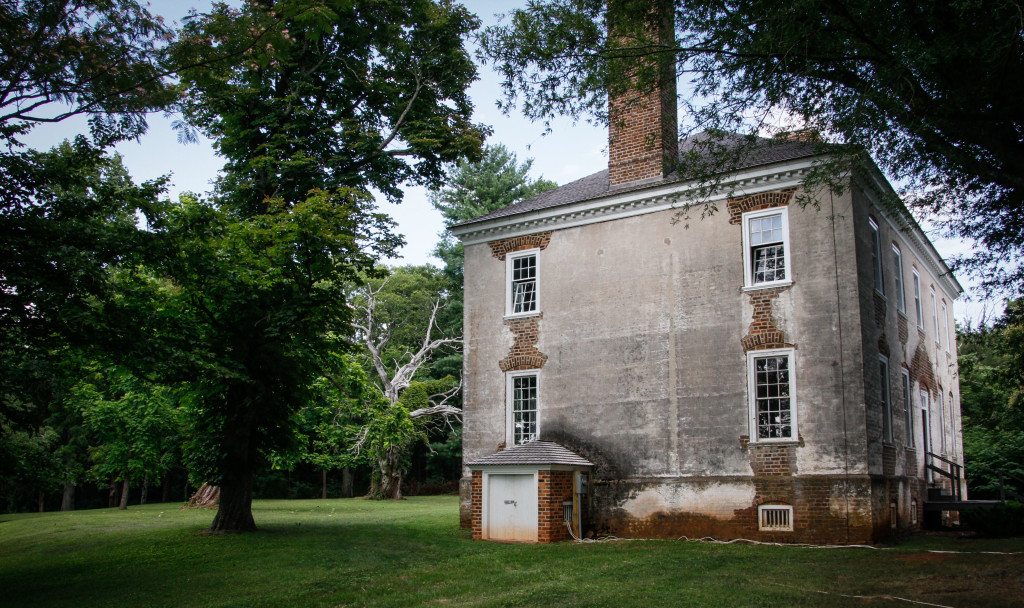
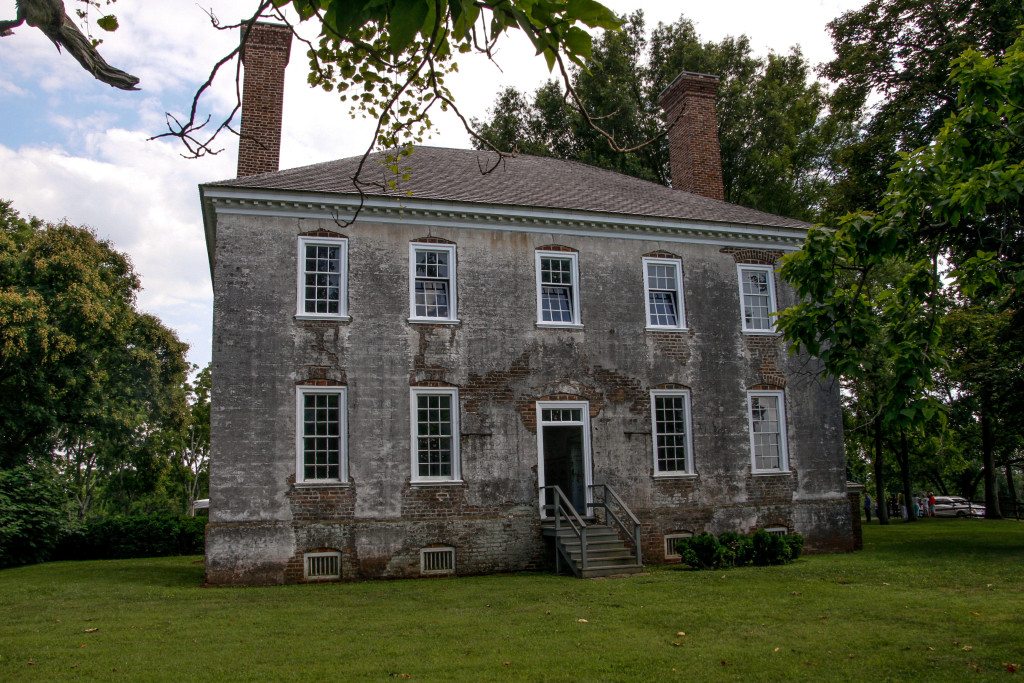
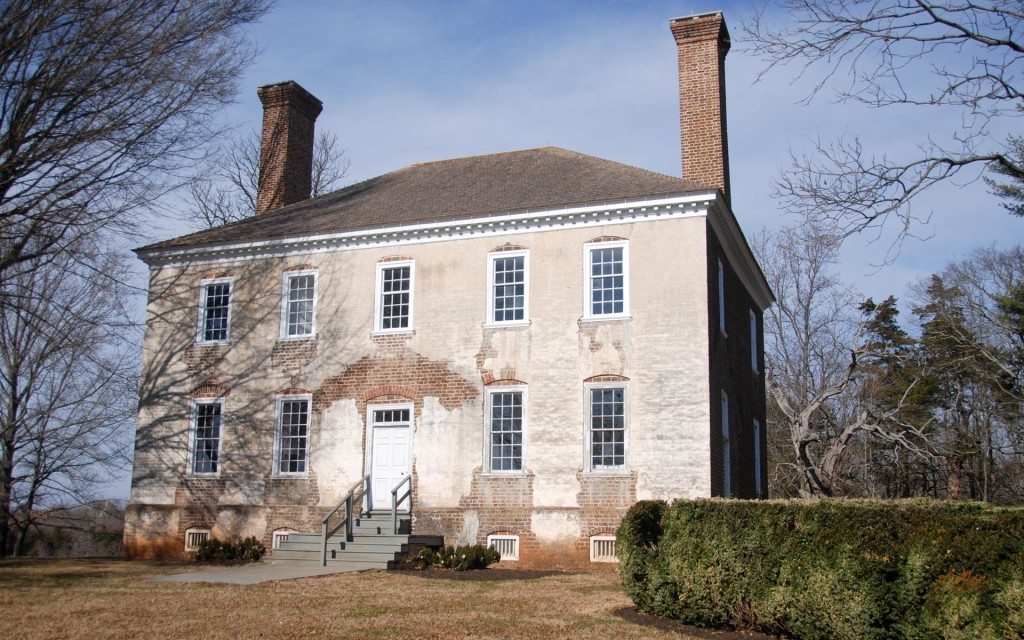
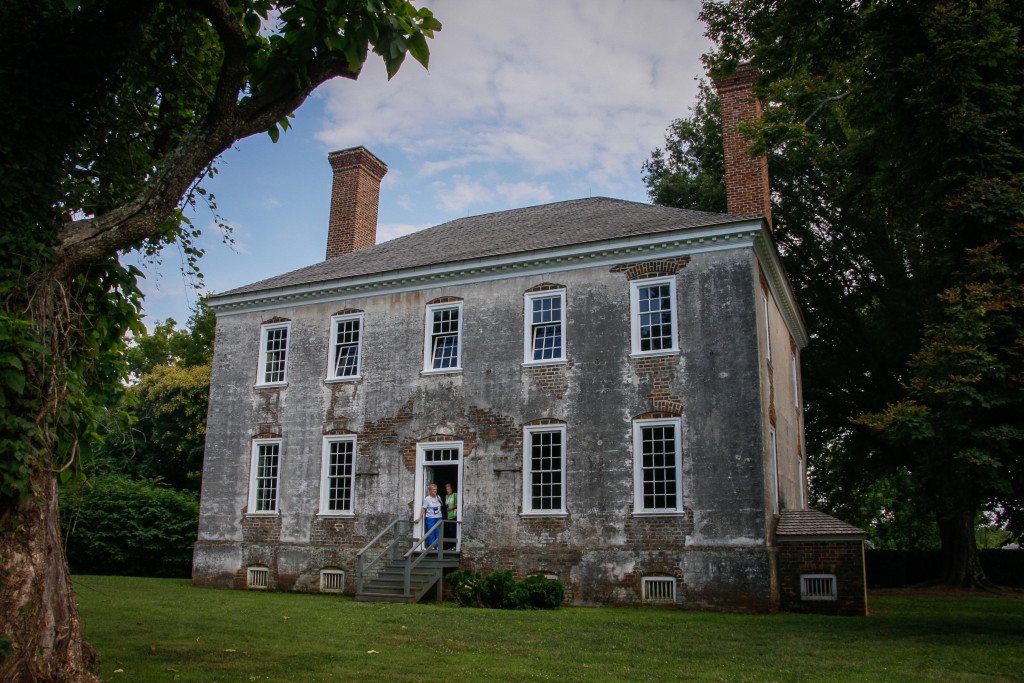
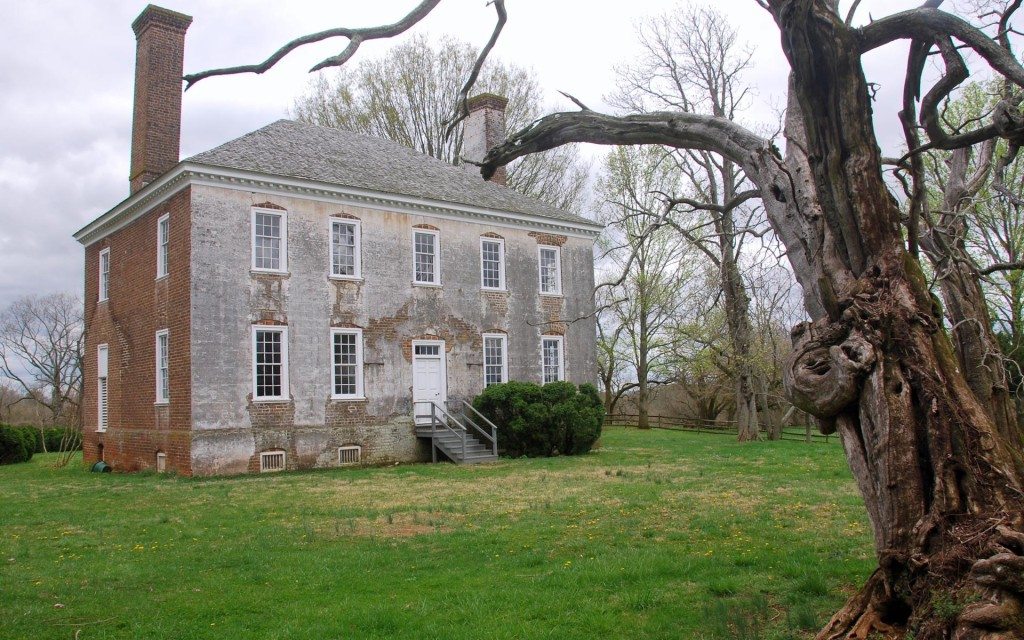
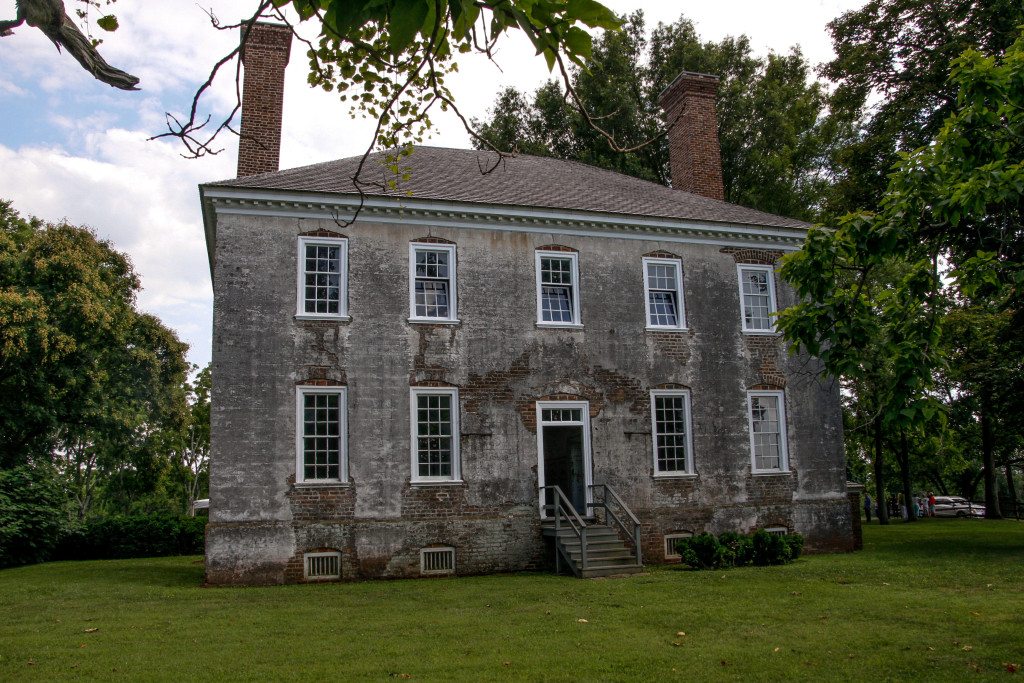
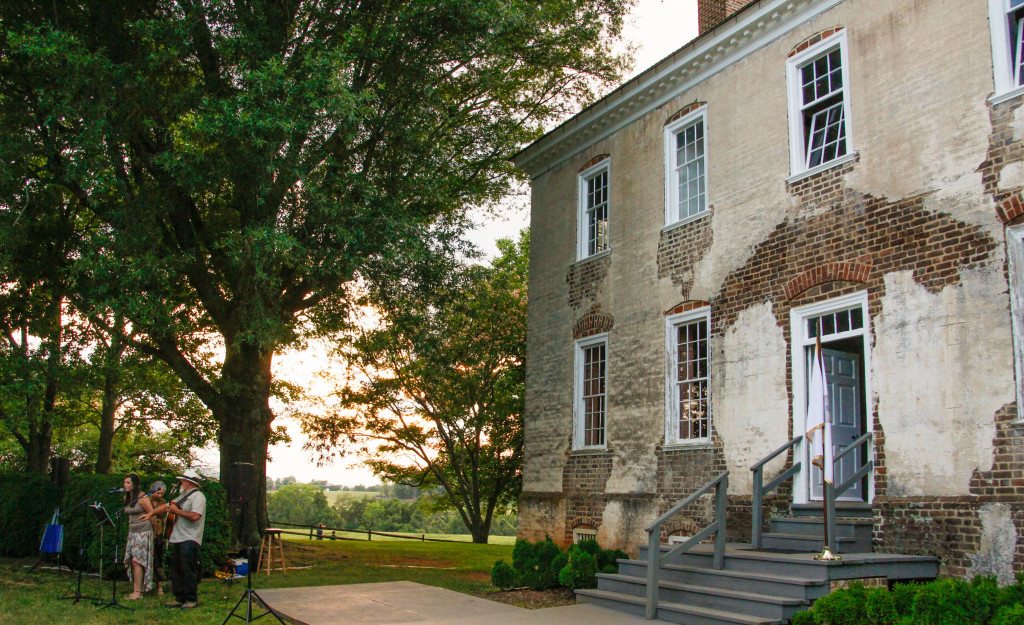
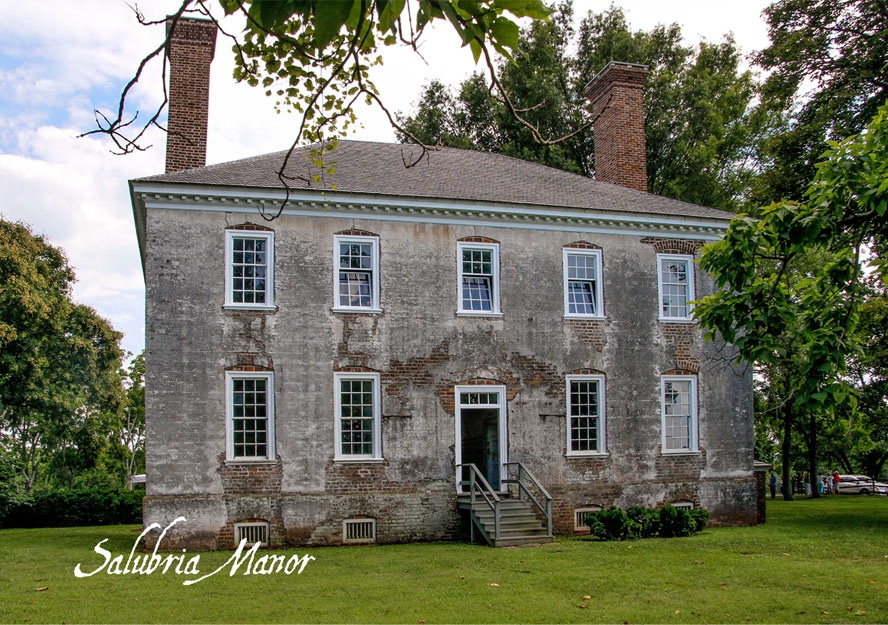
Salubria is one of the few surviving structures linked to the time of the settlement of Germanna.  It is located seven miles east of the town of Culpeper and stands as the oldest brick house in Culpeper County. It was constructed in formal Georgian style at a time when Culpeper County was still on the frontier. Although the precise date of construction is not certain, Salubria was constructed in the mid-1740's as the residence of Reverend Thompson and his new wife, Lady Butler Brayne Spotswood Thompson.

The house received the name Salubria , Latin for healthful, from a later owner, James Hansbrough, in the early 1800s and has been known by that name since that time.

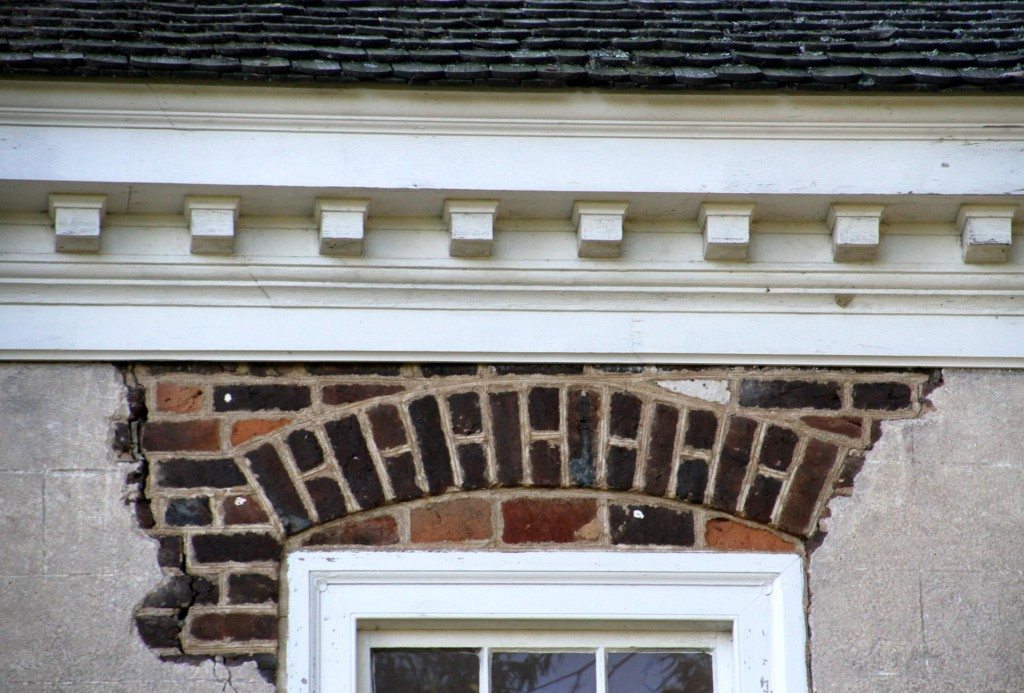
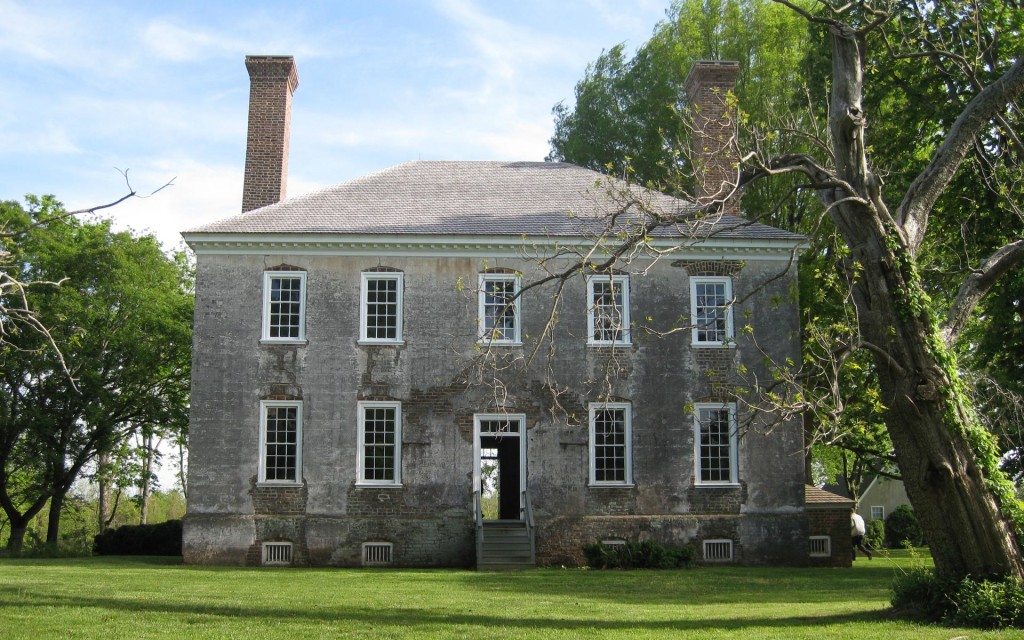
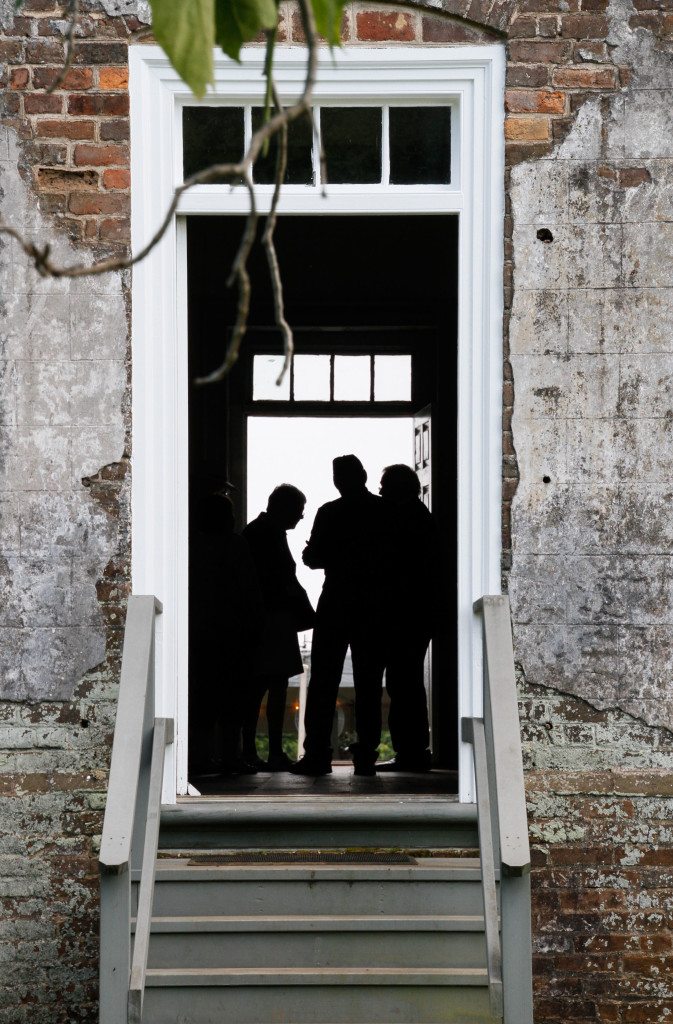
Salubria's exterior is distinguished by unusually tall, corbel capped chimneys, enclosed at each end of a hip roof. The house has identical front and rear facades and is built of brick laid in Flemish bond. Three sides of the house are stuccoed in a manner simulating rustication, though for some reason the east end never received this treatment.

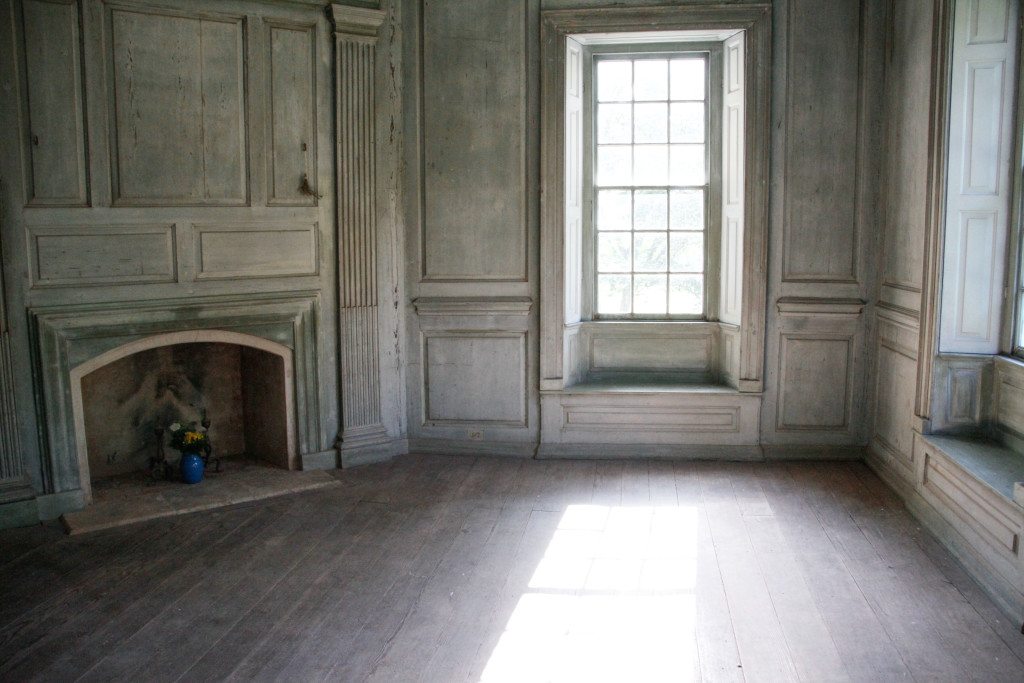
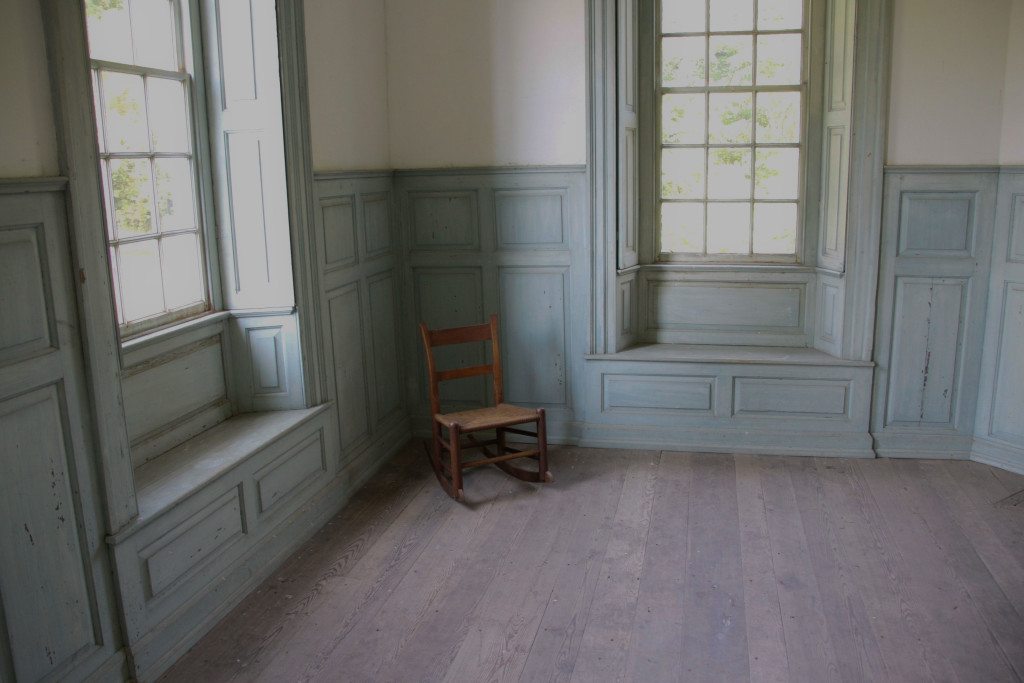
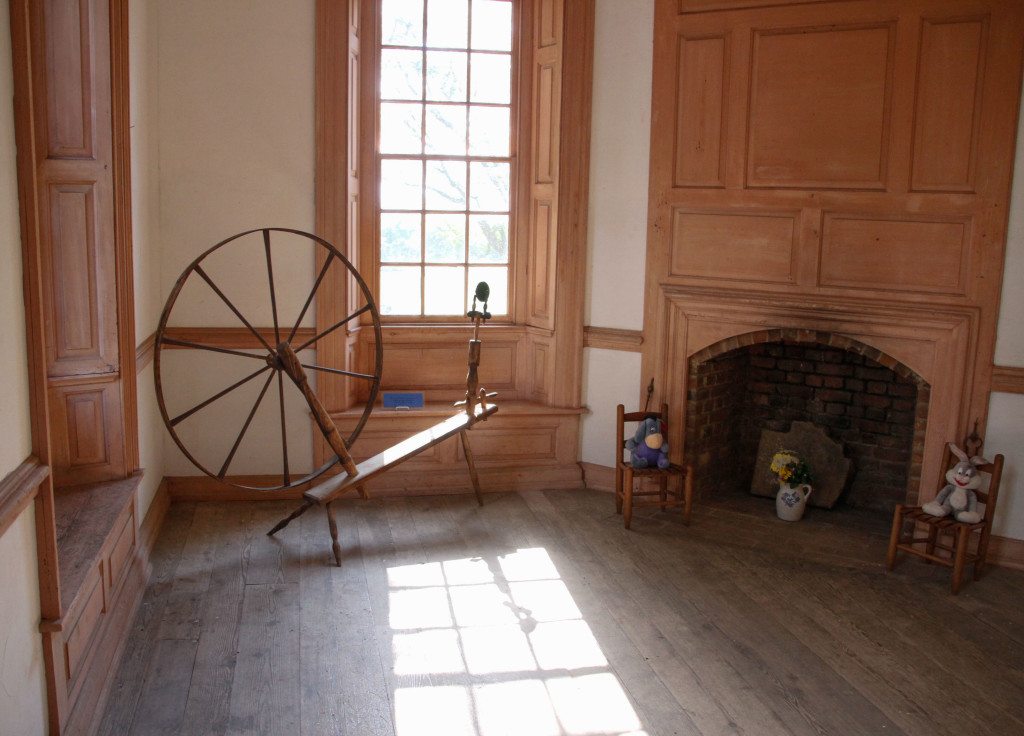
The interior of the house effuses character hearkening back to another time.

Germanna is honored to be entrusted with this property and the history of which it speaks.  The "genealogy" of Germanna's ownership relates back to the property being acquired from the Hansbrough family by Robert 0. Grayson.  Grayson's mother, Sarah Mason Cooke Grayson, was the granddaughter of George Mason of Gunston Hall.  Later, Admiral Cary T. Grayson, was born at Salubria in 1878.  Admiral Grayson served as Presidential Physician to Theodore Roosevelt, William Howard Taft, and Woodrow Wilson.

Here is a photo of Admiral Grayson with President Woodrow Wilson.

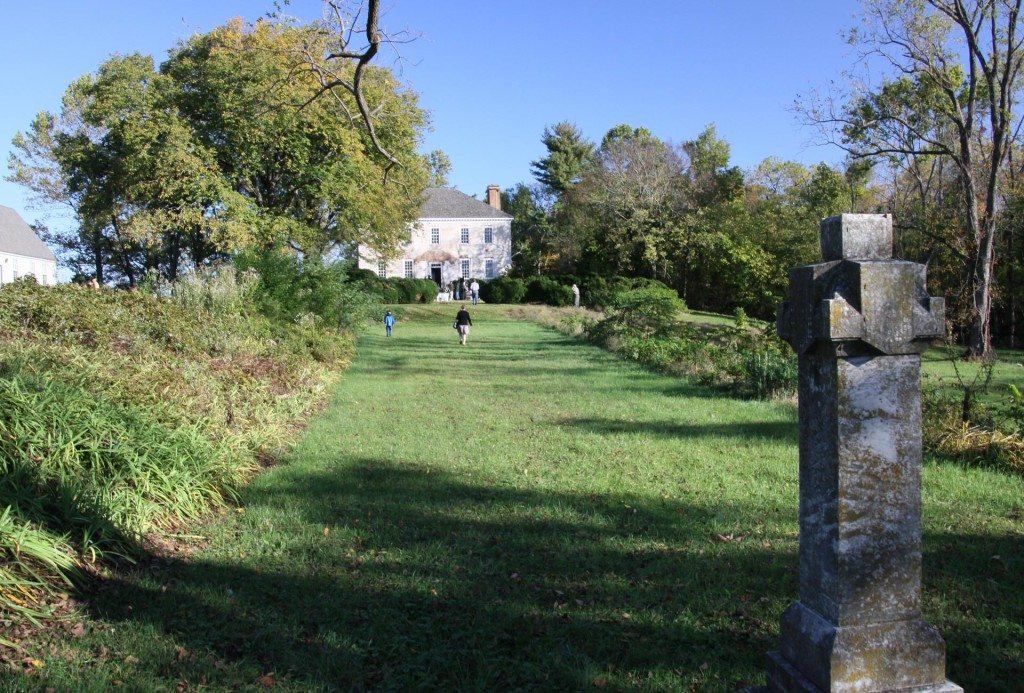
Admiral Grayson later headed the American Red Cross. His parents and infant sister are buried at the end of the garden terrace directly south of the manor house.

Salubria and Daniel Boone

In 1759, Cherokee attacks in the Catawba and Yadkin river valleys drove North Carolina colonists from their homes and farms. Daniel Boone, his wife Rebecca, his parents and brothers and sisters travelled more than 200 miles northeast to find sanctuary among friends in Culpeper County, Virginia. Daniel Boone settled at Stevensburg, near the finest plantation home in Culpeper County, Salubria. Boone worked as a teamster, hauling tobacco from Salubria and other others farms to market in Fredericksburg by way of Germanna Ford. Daniel and Rebecca Boone's daughter Susannah was born at Stevensburg on November 2, 1760. Three of Daniel Boone's grandsons married three daughters of Joseph Miller and Susannah Rector, making many Boone descendants also descended from the Rector, Fishback, Hitt, Heimbach, Otterbach, Weaver, Kuntz complex of Germanna families.

For more on Daniel Boone click here

Here is a portrayal of Daniel Boone escorting settlers through the Cumberland Gap. Can we attribute some of his heroic feats to the healthy life he lived being able to visit Salubria?  Maybe not, but it is interesting that Salubria shares its history with one such as Daniel Boone as well as the others mentioned on this page.

In October 2000, Laura N. Grayson, widow of J. Gordon Grayson, donated Salubria to the Memorial Foundation of the Germanna Colonies in Virginia.  Salubria was placed on the Virginia Historic Landmarks Register in 1969 and on the National Register of Historic Places in 1970.

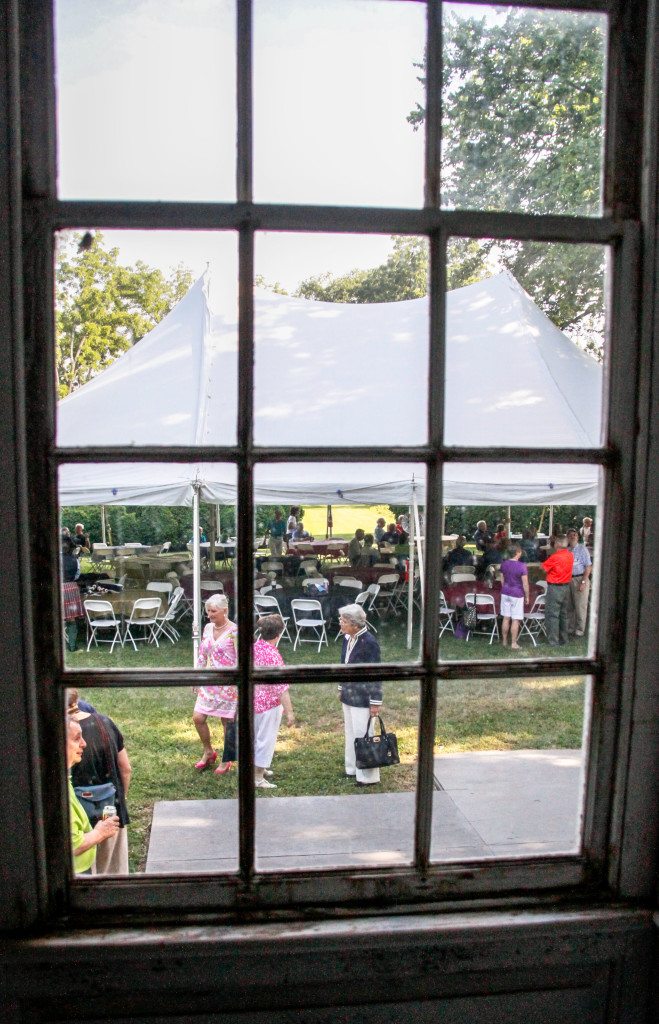
Salubria is NOT open to visitors on a regular basis, but IS available through arrangements with the Germanna Foundation for special events such as garden weddings, dinners, or other appropriate get-togethers.  Group tours can be arranged with advance booking of at least one month.

For a map of Salubria's location, click here
For more information on making arrangements to utilize Salubria, or for arranging a tour, please contact the Germanna Foundation. CONTACT US

If you would like to make a donation to help with the operating expenses of Salubria, please feel free to do so and accept the appreciation of history lovers everywhere, especially those affiliated with Germanna: MAKE A DONATION

      If you destroy your past, something in people dies.  -- Jacqueline Kennedy


Office hours are 1 to 5 P.M. Tuesday through Saturday. Out of town visitors are urged to call to confirm or to make special arrangements for groups.